Graphic Designer Resume Examples and Templates for 2026
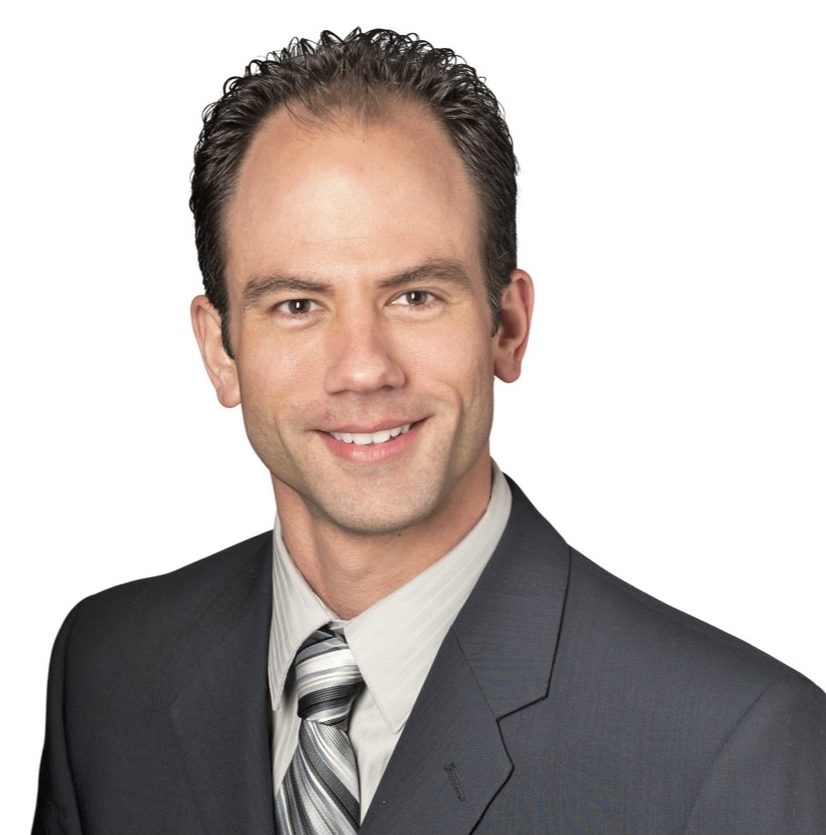


Hiring curators and art directors look for named exhibitions, residencies, and collections on the first page, because that tells them whether the work has already cleared a serious jury and a serious buyer.
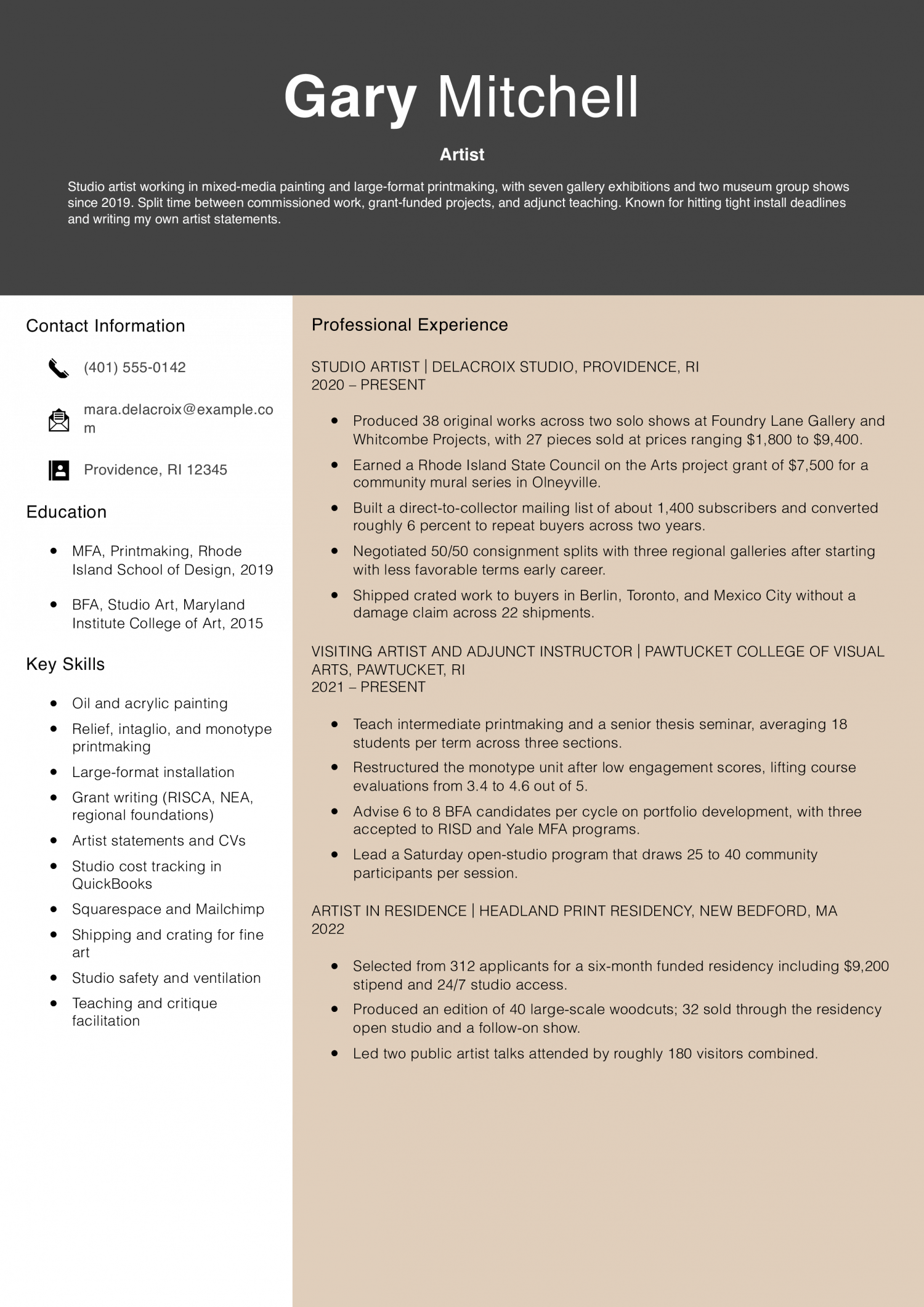
Emerging artists are coming out of an MFA, a first residency, or a few group shows with a coherent body of work taking shape. This resume needs to prove a defined practice, named exhibitions, and any grants or juried selections you've earned.
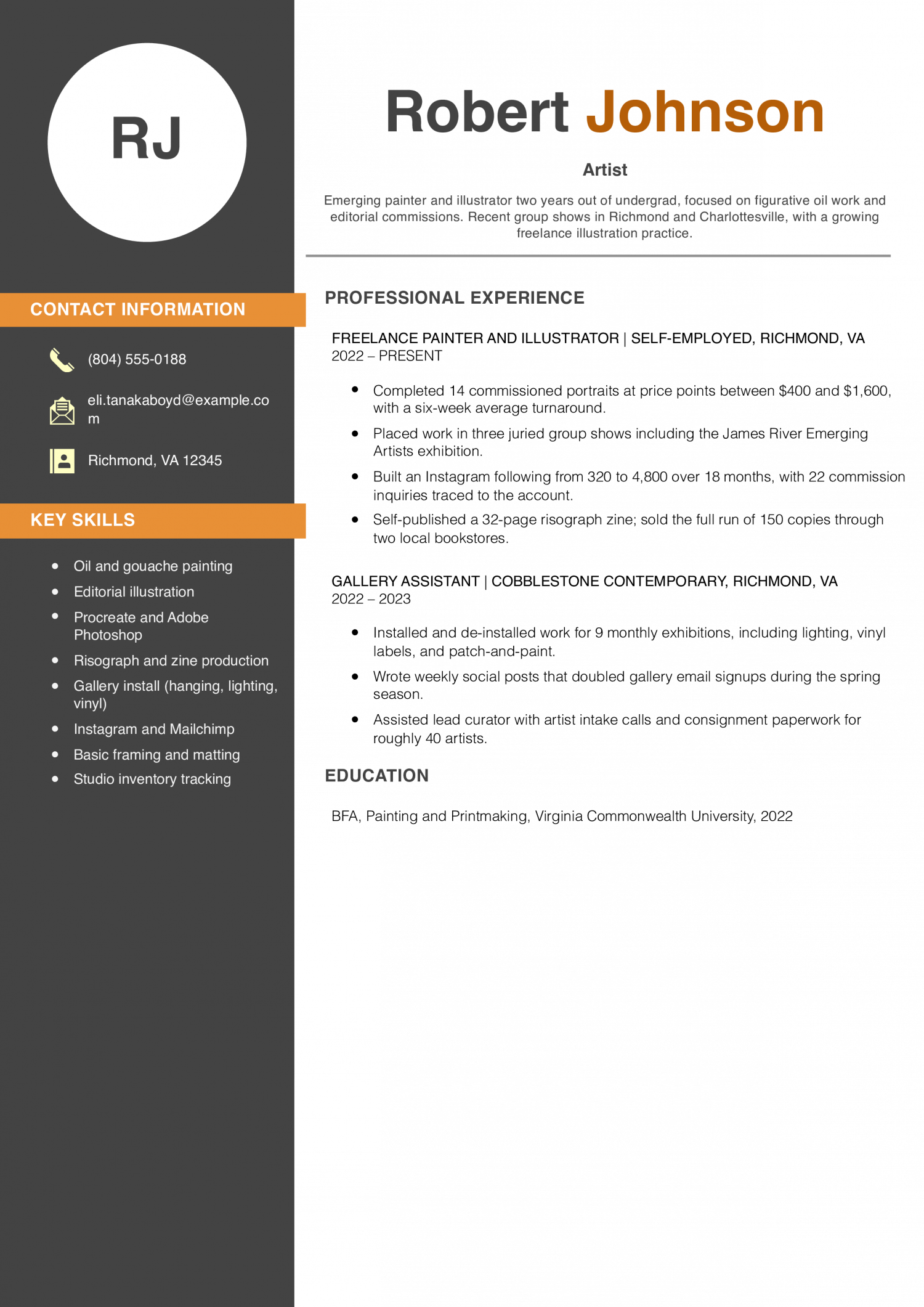
Established artists have solo shows, gallery representation or repeat curators, and a commission or collection history with real buyers. This resume needs to prove sustained output, press, and the institutional or commercial relationships behind the work.
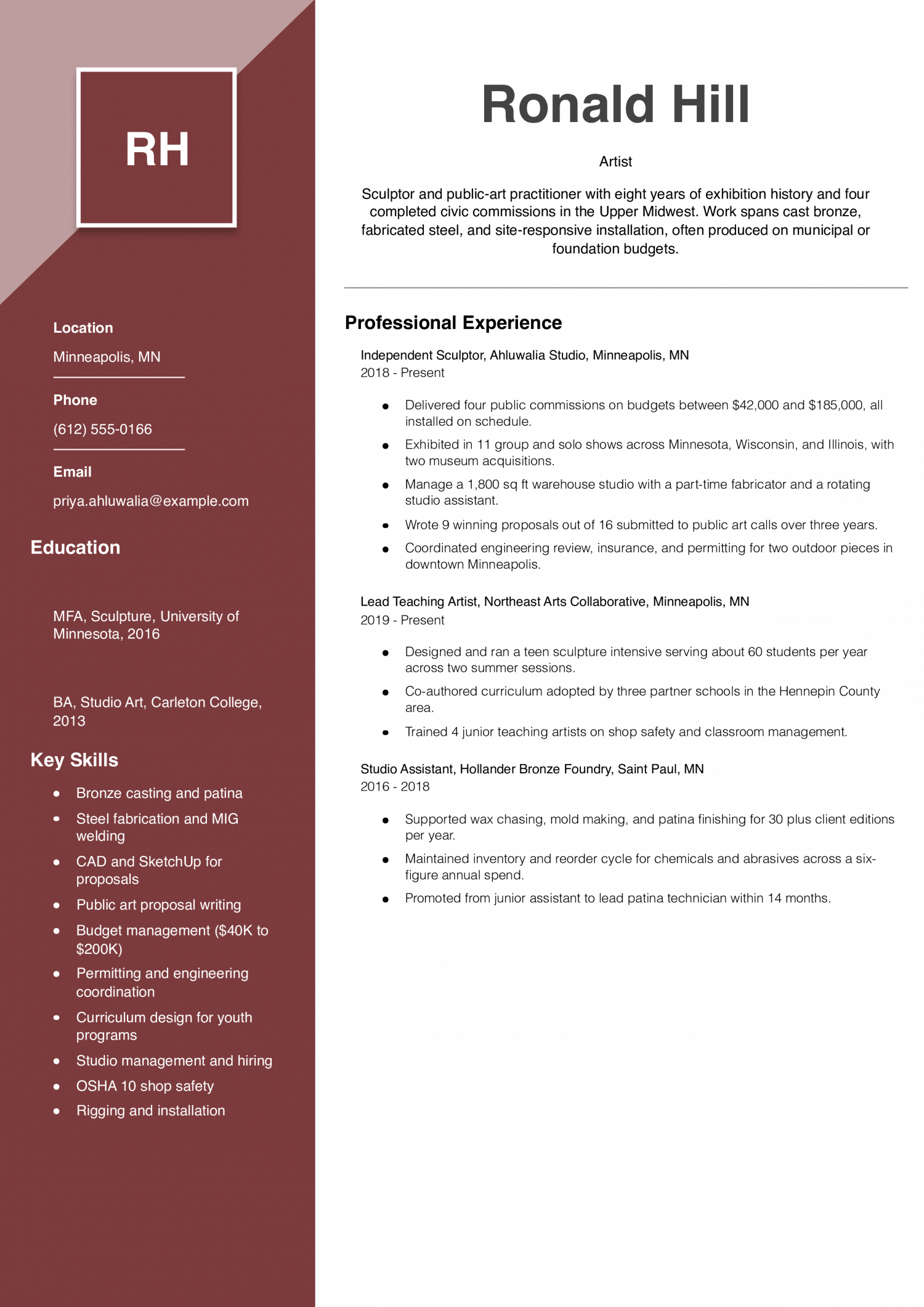
Senior artists carry a long exhibition record, museum acquisitions or major public commissions, and teaching or residency posts. This resume needs to prove career arc, critical reception, and the institutions and collectors who've backed the practice.
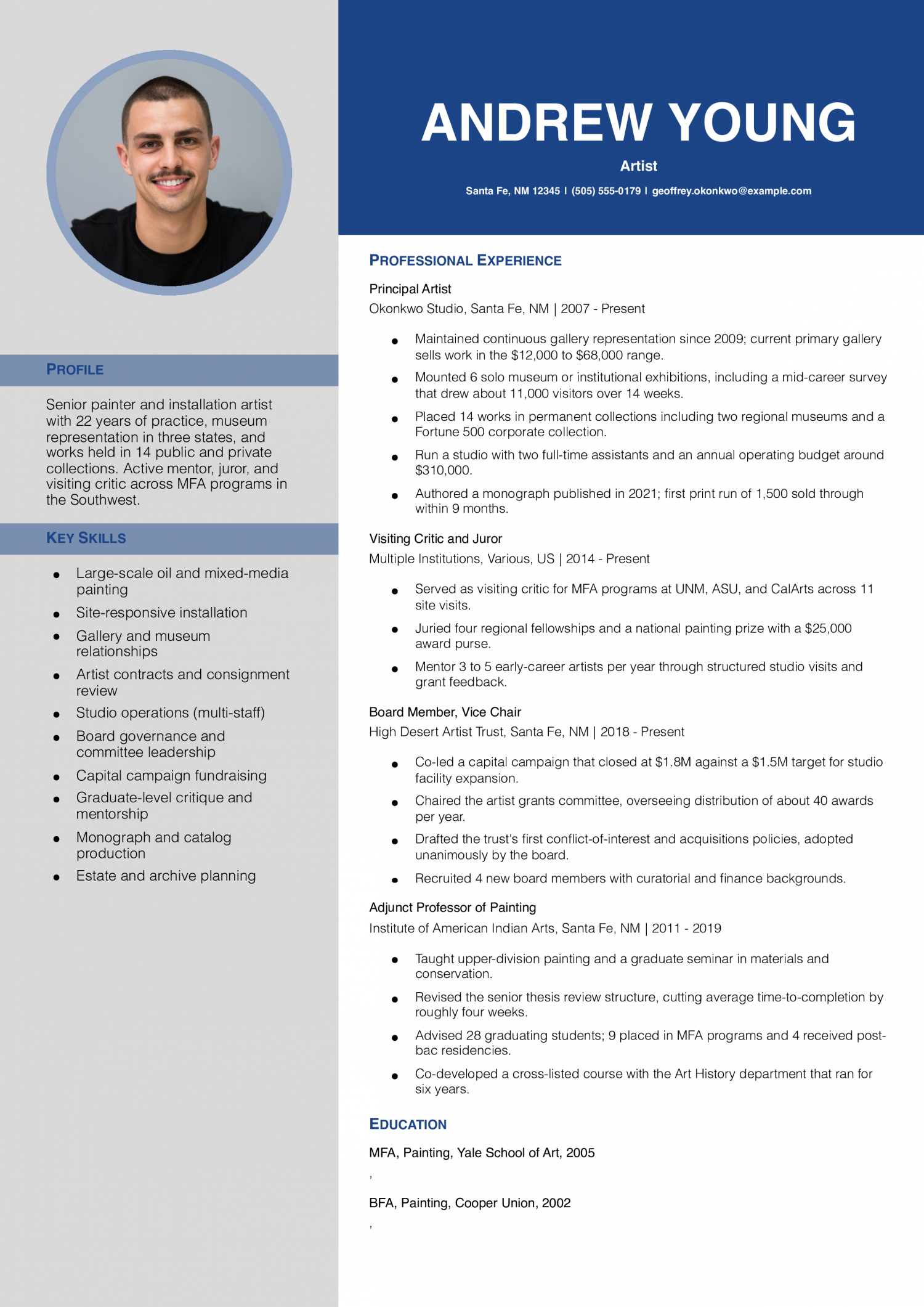
Multidisciplinary artist working across ceramics, textiles, and small-edition print, with 12 years of exhibition history and a sustained craft-fair and online sales practice. Comfortable running a studio as a small business: bookkeeping, taxes, wholesale accounts, and direct retail.
The top of an artist resume should name what a curator or art director measures: solo shows, group exhibitions, residencies, grants, and collections.
Lead with a two-line summary that states your medium, your years in active practice, and your three strongest credits. Name the venues and the years.
Curators read this block as proof that a jury or institution has already vetted the work. A generic line about being a passionate creator gets skipped.
Translate the work into numbers a gallery or studio actually reads. Count solo shows, group shows, juried selections, residencies, and commissions by year.
Strong resumes name the sale price band, the edition size, the commission fee range, or the press circulation that covered the show.
Bullets without a number tend to read as activity. Most advancing resumes pair each credit with a venue, a year, and a scale figure where one exists.
Cluster your record into four sections curators expect: solo exhibitions, group exhibitions, residencies and grants, and collections or commissions.
Add a teaching, lectures, or publications block if you have one. Order each block reverse chronologically, with venue, city, and year on every line.
Name your mediums in a short technical line: oil on linen, bronze, screenprint, archival pigment, video installation. Art directors scan for medium fit fast.
Put your MFA, BFA, or equivalent training in a page-one education block with school, degree, and year. Add any fellowship or visiting artist appointments next to it.
List your studio software stack where it’s relevant: Adobe Creative Suite, Procreate, Blender, Rhino, ZBrush, TouchDesigner, or print and fabrication shops you work with.
Curators and gallery directors need this visible early to confirm production scope and material range before they click the portfolio link.
End with selected press, gallery representation, and a single portfolio URL that opens to a curated body of work, not a full archive.
Cite each press hit by publication, writer, and year. Drop reviews older than ten years unless the publication still carries weight in your field.
If you’re shifting mediums or moving from commercial to fine art, add a short practice statement above the portfolio link to frame the transition.
Arts hiring stayed tight through 2026. Gallery teams, museum departments, and brand studios are running leaner rosters and the bar to clear a first read is higher. The hard skills below come from our user-built artist resumes and name the mediums, software, and studio processes art directors search for.
Match them against the call or job posting in front of you, then use the soft-skill column as evidence to back specific exhibition or commission bullets.
| Soft Skills | % of resumes with this skill |
|---|---|
| Creative vision | 67% |
| Client communication | 55% |
| Artistic adaptability | 40% |
| Deadline discipline | 35% |
| Openness to critique | 25% |
And here are the top hard skills showing up most often.
| Hard Skills | % of resumes with this skill |
|---|---|
| Painting and drawing | 65% |
| Color theory | 61% |
| Portfolio development | 43% |
| Mixed media techniques | 39% |
| Digital illustration | 30% |
Based on data from thousands of artists’ resumes built on ResumeTemplates.com, May 2026.
The items below are what separate an artist resume from one that gets put back in the pile.
Curators and art directors scan resumes for the exact medium, format, and venue language they used in the call. The clusters below mirror what searchers and posting systems use for artist work.
| Niche | Keywords ATS scans for |
|---|---|
| Fine art practice | fine artist, fine arts, studio artist, mixed media artist |
| Painting and drawing | oil painting, acrylic painting, figure drawing, plein air |
| Printmaking and works on paper | screenprinting, intaglio, lithography, monotype |
| Sculpture and installation | ceramic sculpture, bronze casting, mold-making, public art installation |
| Digital and 3D | digital illustration, 3D modeling, Procreate, Blender |
Galleries and brand studios are split between teams using generative tools openly in concept and production and teams that bar them from fine art submissions. Name the tools you use, describe the workflow honestly, and avoid claims that you make AI art if your real practice uses these tools only for reference, mockups, or color studies.
Artists use image and text models to generate mood boards, color studies, and composition variants before any physical work begins.
Brand and private clients increasingly expect a rendered preview of a commission before approval, often produced with generative tools.
Open calls and competitions now ask whether AI was used in the final work, and answers shape whether the piece qualifies.
Artists use language models to draft press releases, residency applications, grant narratives, and collector emails faster.
Midjourney: Used for early-stage concept boards and composition studies, then translated by hand into the final medium.
Adobe Firefly: Used inside Photoshop for background extension, reference cleanup, and color exploration on digital and mixed-media work.
Curators and art directors look at the portfolio before they read the resume. Send them to a single clean URL with 12 to 20 pieces that read as one cohesive body of work, not a career archive.
Clean grid, high-resolution images, and full work data on each piece.
Industry-standard cataloging with provenance, dimensions, and sale history.
Strong reach with art directors hiring for studios, games, and brand work.
Use as a feed of recent work, not the main portfolio link on the resume.
Caption every piece with the data curators need: title, year, medium, dimensions, and edition if applicable. Add the collection name or commissioning client when the buyer permits it.
Curate, do not archive. A reviewer looking at 60 pieces sees noise. Twelve to twenty pieces from the last three to five years read as a defined practice.
Match the portfolio link on the resume to the body of work the call is asking for. If the gallery shows figurative painting, send them to a figurative landing page, not your full site.
List the software and studio tools you actually use in production, grouped by purpose. Art directors read this block to confirm material range before clicking the portfolio link.
Digital: Adobe Photoshop, Illustrator, InDesign, Procreate, Adobe Firefly
3D and animation: Blender, ZBrush, Rhino, Cinema 4D
Print and fabrication: Riso, etching press, CNC router, 3D printing
Studio processes: stretcher building, gilding, mold-making, archival framing
Documentation: Capture One, color-managed studio lighting, archival inkjet printing
Awards, grants, and residencies are the credits that tell curators a jury has already vetted your work. Group them in one block, ordered by reputation of the granting body.
Pollock-Krasner Foundation Grant, 2024
MacDowell Fellowship, Peterborough, NH, 2023
Skowhegan School of Painting and Sculpture, Resident, 2022
Joan Mitchell Foundation Painters and Sculptors Award, Finalist, 2021
NYFA Artist Fellowship in Painting, 2020
Beyond your degree, the credentials below tell curators and art directors which production methods, fabrication tools, and professional standards you’ve been formally trained in. List the granting body, the year completed, and the city or institution for each item.
OSHA 10 General Industry: Signals safe practice in studios using welders, kilns, woodshops, or spray booths, often required for public art fabrication contracts.
Adobe Certified Professional: Confirms working fluency in Photoshop, Illustrator, or InDesign for artists who mix digital production with traditional media.
Autodesk Certified User (Fusion 360 or Maya): Useful for sculptors and digital artists doing CNC, 3D printing, or animation work for commissions and installations.
Teaching Artist Certificate: Programs through Lincoln Center Education, Kennedy Center, or state arts councils support residency, museum education, and school commission roles.
The 90th-percentile artist out-earns the median by a wide margin, which tells you the market rewards gallery representation, collection placements, and commission scale more than years at the easel.
Geography concentrates the top band in a handful of states with active gallery districts and public art programs. Lead your resume with the venues, collectors, and commissions that put you in the high-percentile band, not the count of years you’ve been working.
| # | State | Avg. Annual |
|---|---|---|
| 1 | California | $140,080 |
| 2 | Massachusetts | $83,530 |
| 3 | Indiana | $79,280 |
| 4 | New York | $78,690 |
| 5 | Washington | $78,370 |
| 6 | Colorado | $74,010 |
| 7 | South Carolina | $72,990 |
| 8 | Connecticut | $72,860 |
| 9 | Maryland | $72,750 |
| 10 | Minnesota | $63,730 |
| # | State | Workers | Median |
|---|---|---|---|
| 1 | California | 1,760 | $140,080 |
| 2 | Texas | 1,140 | $34,600 |
| 3 | New York | 960 | $78,690 |
| 4 | Washington | 840 | $78,370 |
| 5 | Florida | 820 | $48,490 |
Resume Templates offers HR approved resume templates to help you create a professional resume in minutes. Choose from several template options and even pre-populate a resume from your profile.
An artist resume runs one to two pages and leads with practice summary, exhibitions, education, and selected press.
An artist CV runs longer, often four to ten pages, and lists every exhibition, residency, grant, lecture, and publication in your record.
Most gallery open calls and studio roles ask for the resume version. Museum and academic posts ask for the CV. Keep both on file and send the one requested.
Group commissions under a heading called Selected Commissions or Private Commissions, ordered reverse chronologically.
Each line names the client or collector, the piece title or medium, the year, and the city. Add scale, edition size, or fee where the buyer permits disclosure.
If a client is under NDA, write Private Collection and the city. Curators read this as standard practice for collector confidentiality.
Include juried group shows, curated exhibitions, and any show with a named curator or jury. These count as vetted credits.
Skip undergraduate class shows and informal pop-ups once you have stronger credits to take their place.
Label each line as solo or group, and separate the two into their own blocks. Curators read trajectory by how solo credits accumulate.
Fill the gap with studio work, teaching posts, residencies, or commissioned projects rather than leaving years blank on the resume.
Name the body of work you were developing and any private sales, public art projects, or institutional collaborations from that period.
If the gap was caregiving, health, or relocation, a one-line note in the practice statement is fine. Most curators read a working studio as a continuous practice.
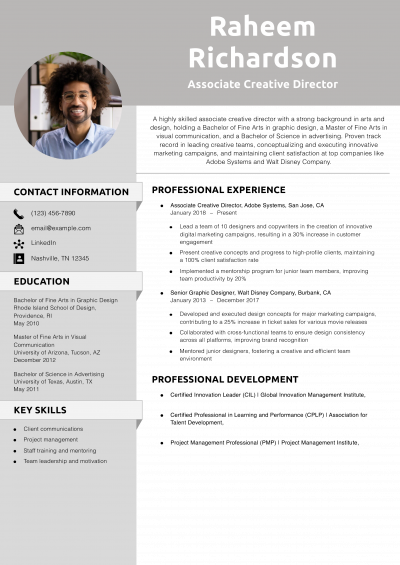
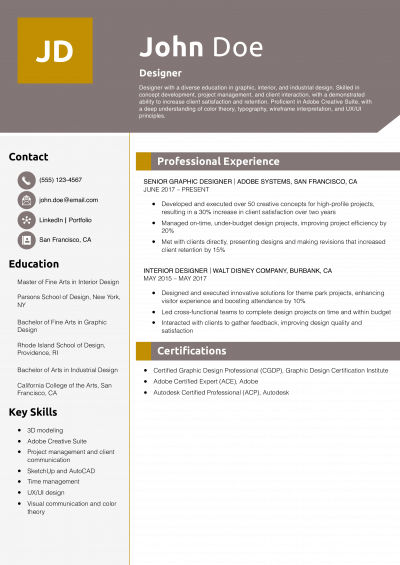
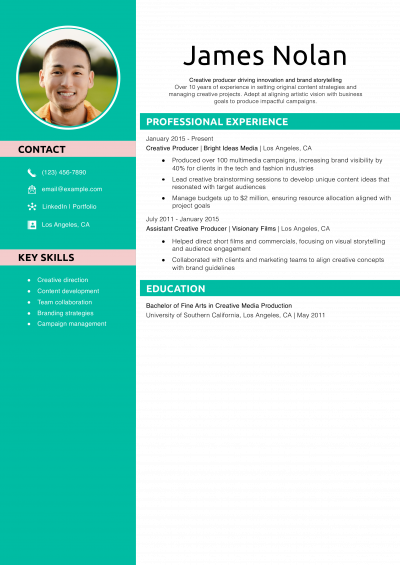
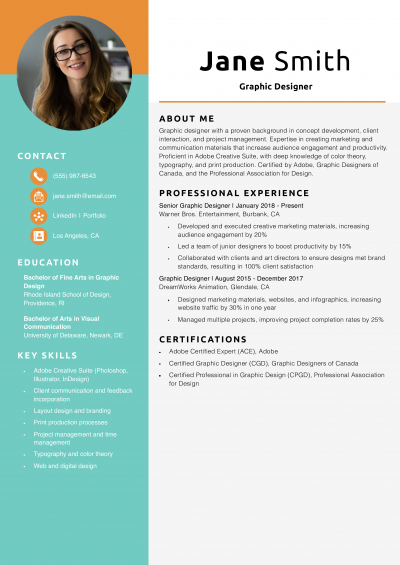
For an artist, a modern template is the safest pick, because it shows visual polish while keeping your work the focus. A creative template is a solid alternative. Whichever you choose, keep the formatting clean and easy to parse: clear section headings, a standard font, and no graphics a parser can choke on.
Executive Resume Writer and Career Coach
Andrew Stoner is an executive career coach and resume writer with 17 years of experience as a hiring manager and operations leader at two Fortune 500 Financial Services companies, and as the career services director at two major university business schools.
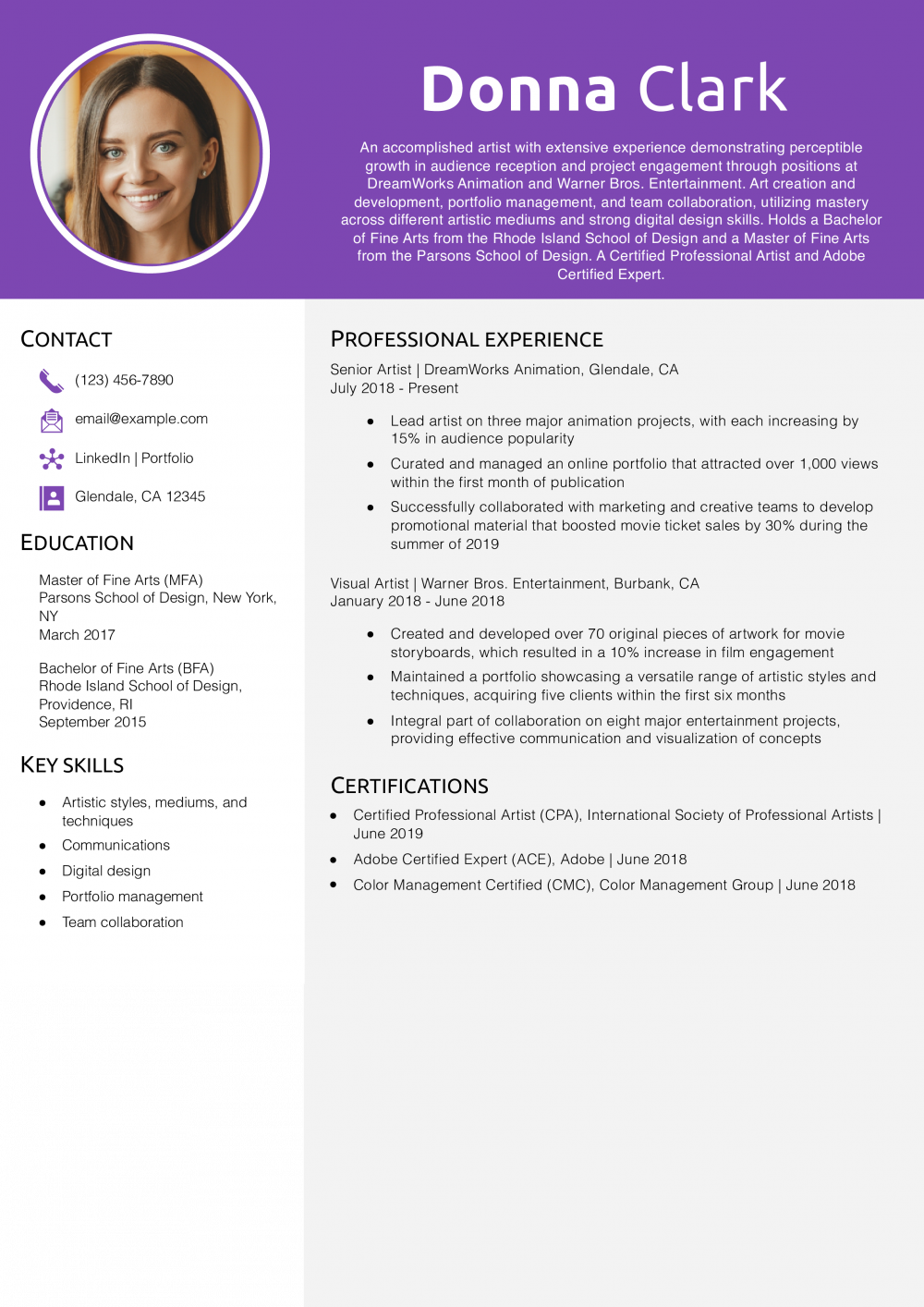
Customize this template in our builder in under 10 minutes.